Guadeloupe has long captured the imagination of travellers seeking sun-drenched shores and a slice of Caribbean charm without straying too far from Europe, with roughly ten daily flights connecting the archipelago to mainland France. Yet knowing precisely when to book your trip can make all the difference between a holiday spent basking in golden light and one dodging tropical downpours. This guide walks you through the seasonal rhythms of this butterfly-shaped island group, along with the destinations that make it such a rewarding place to explore, from the volcanic slopes of Basse-Terre to the sugar-cane fields of Marie-Galante.
What to know
- Guadeloupe's climate is divided into a dry season from December to April and a wetter, hurricane-prone season from June to November.
- The dry season, or Carême, is the most popular time to visit due to consistent sunshine and lower humidity, though it requires booking in advance.
- Temperatures in Guadeloupe remain fairly consistent year-round, typically ranging between 24°C and 31°C.
- Basse-Terre features mountainous rainforests and the Soufrière volcano, while the flatter Grande-Terre offers the island's most popular beaches.
- Traveling during the low season from May to November offers the advantages of lower prices, fewer crowds, and lush scenery, despite the higher risk of rain.
- Marie-Galante, accessible by ferry, is a tranquil destination known for its pristine beaches, sugar-cane fields, and historic rum distilleries.
Understanding guadeloupe's climate: seasonal variations and temperature patterns
Guadeloupe enjoys a tropical climate that broadly splits into two distinct periods, each shaping the experience visitors can expect. Understanding these patterns before booking flights or accommodation is essential, particularly if you're hoping to combine beach days with hiking trips or water sports.
The Dry Season Versus the Wet Season: What to Expect Throughout the Year
The dry season, locally known as Carême, runs from December through to April and is characterised by sunny skies and comparatively low humidity, making it the most popular window for travel. This is also when New Year's Eve celebrations bring a festive buzz to the islands, with temperatures during this winter stretch typically hovering between 26 and 30 degrees Celsius. Once May arrives, the weather begins to shift, and by June the rainy season takes hold, lasting until November. Rain during this period tends to arrive in short, intense bursts rather than settling in for days, so it needn't ruin an entire holiday, though it's worth noting that the hurricane season also falls within these months, running from June through November, albeit with disruptions that are usually minimal.
Average Temperatures and Weather Conditions Across the Butterfly-Shaped Islands
Throughout the year, temperatures across Guadeloupe generally range from 24°C to 31°C, offering a fairly consistent climate whichever month you choose to travel. The island's distinctive shape, resembling a butterfly, divides it into two contrasting halves. Basse-Terre is mountainous and cloaked in tropical rainforest, home to the dramatic Soufrière volcano, while Grande-Terre is flatter, more rural in character, and dotted with the tourist hotspots most visitors picture when they think of Guadeloupe. Rainfall varies considerably between the two, with Basse-Terre generally wetter and greener thanks to its elevation, while Grande-Terre stays drier and sunnier for longer stretches.
Peak Season or Low Season? Choosing the Perfect Time to Reserve Your Guadeloupe Holiday
Deciding when to visit often comes down to weighing guaranteed sunshine against the desire for a quieter, more budget-friendly trip. Both approaches have their merits, and the right choice depends largely on what you're hoping to get from your stay.
High Season Benefits: Guaranteed Sunshine and Vibrant Atmosphere from December to April
Travelling between December and April means booking during the busiest stretch of the year, but the rewards are considerable. Sunshine is virtually guaranteed, beaches are at their most inviting, and the atmosphere across the islands feels lively and celebratory, especially around the festive period. This is the ideal window for those keen on hiking excursions around La Soufrière, snorkelling along the coast, or simply lounging on the sand without worrying about sudden showers. Naturally, prices for flights and accommodation climb during these months, so booking well ahead is strongly advised, particularly if your dates fall over Christmas or New Year.
Low Season Advantages: Better Prices and Quieter Beaches from May to November
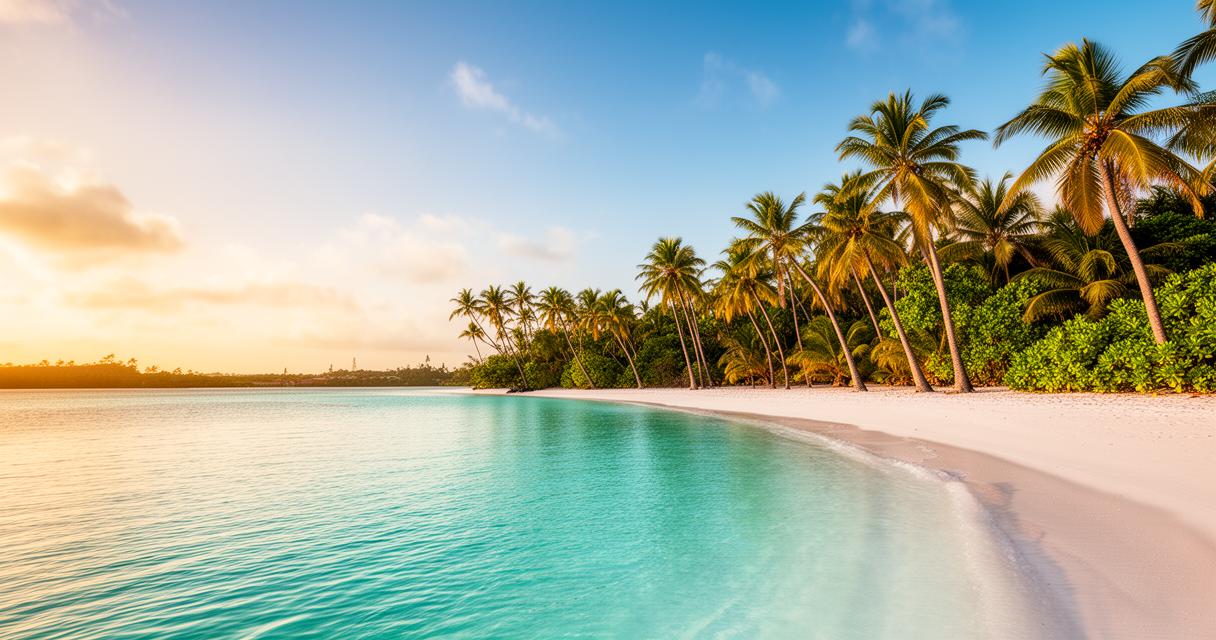
For travellers happy to take a gamble on the odd shower, May and June offer a wonderfully quiet alternative, with lush scenery, fewer crowds, and noticeably lower prices across the board. Come July and August, the mood shifts again as summer festivals fill the calendar and family holidaymakers arrive in force, creating a festive, sociable atmosphere despite the increased chance of rain. Whichever low-season month you choose, packing light clothing, sunscreen, insect repellent, and comfortable shoes will help you make the most of whatever the skies decide to do.
Exploring Guadeloupe's Stunning Destinations: From Marie-Galante's Beaches to the National Park
Beyond the weather considerations, it's the landscapes and local culture that truly define a Guadeloupe holiday. From bustling Pointe-à-Pitre, the island's capital and home to a moving slavery memorial, to the tranquil outer islands, there's a huge amount of variety packed into a relatively small area.
Saint François and Marie-Galante: Tropical Paradise Beaches at Their Finest
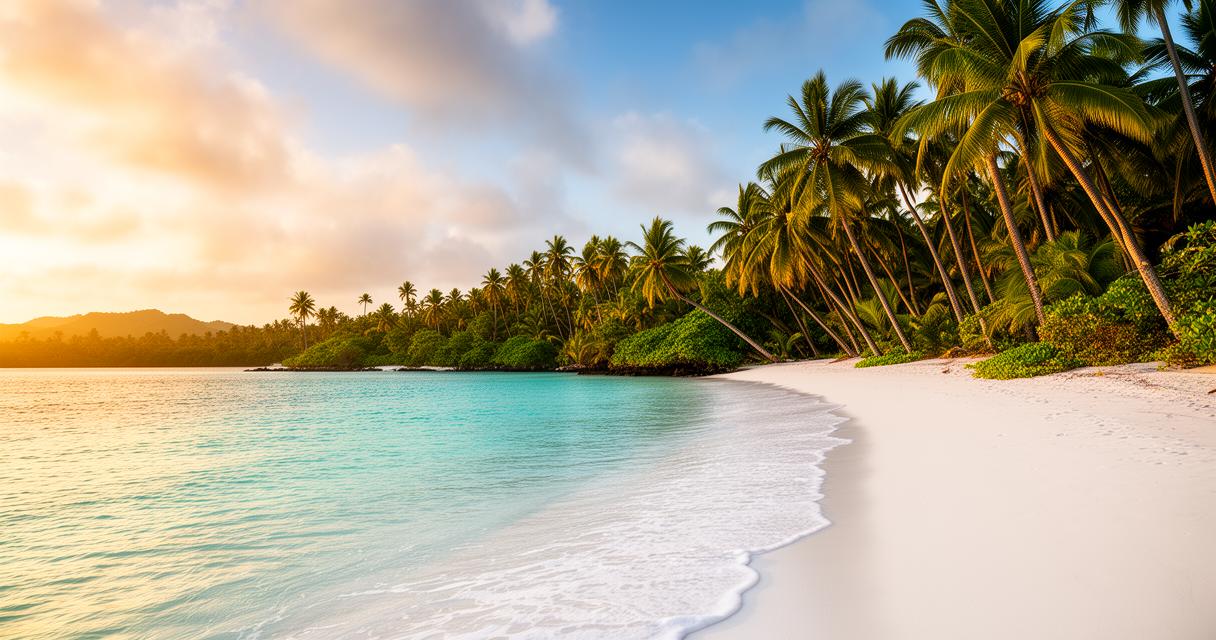
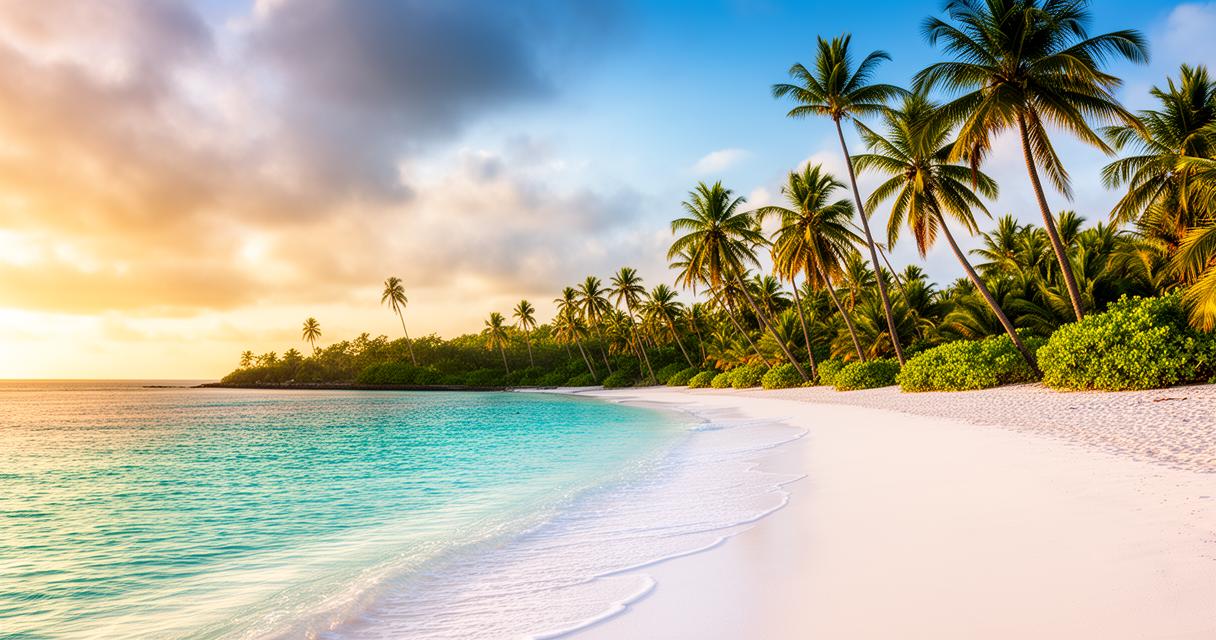
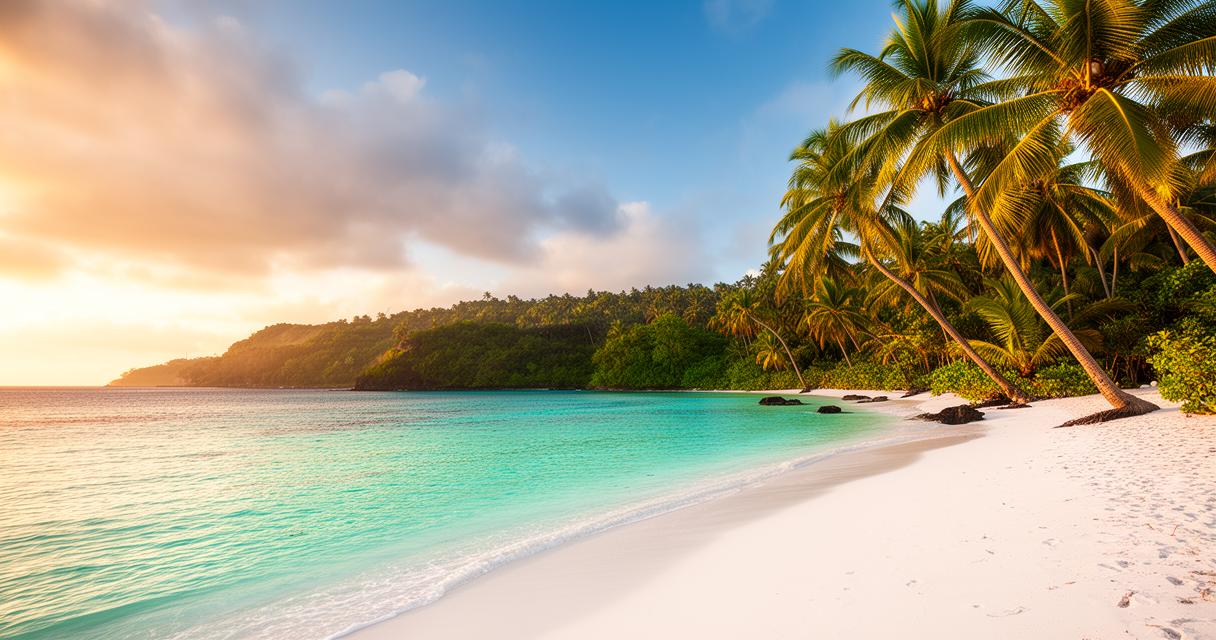
Grande-Terre's southern coastline, taking in Gosier, Sainte-Anne, and Saint-François, is where you'll find some of the most photogenic beaches on the island, backed by swaying palms and calm turquoise water. A short ferry ride away, roughly 30 kilometres south of the mainland, lies Marie-Galante, often nicknamed the island of a hundred windmills thanks to its agricultural heritage. Ferries departing from Pointe-à-Pitre and Saint-François typically take between 45 minutes and an hour, making it an easy day trip or a peaceful base for a longer stay. Once there, beaches such as Anse de la Feuillère, Anse Canot, Saint Louis Beach, and Grand Bourg Beach offer a quieter, more rustic charm than their Grande-Terre counterparts. The island's 1,300 sugarcane farms feed three renowned rum distilleries, Bellevue, Bielle, and Poisson, while historical landmarks like Château Murat and Bezard Windmill provide a fascinating glimpse into the island's past. Four hiking trails of varying difficulty, alongside opportunities for scuba diving, kite surfing, and kayaking through the Vieux-Fort Mangrove, mean there's plenty to fill the days. Food lovers shouldn't miss local specialities such as Bébélé, a hearty soup made with tripe, alongside sweet treats like Kakabèf and Kilibibi. January to April is generally considered the best window to visit Marie-Galante, and EU citizens need only a valid ID to make the crossing.
Discovering the National Park and Basse-Terre's Lush Tropical Environment
Back on the mainland, Basse-Terre rewards those willing to venture inland with dense rainforest, cascading waterfalls, and trails leading up towards the national park surrounding La Soufrière. Villages such as Trois-Rivières, Bouillante, and the stretch between Pointe-Noire and Deshaies make excellent bases for exploring this greener side of the island, offering easy access to snorkelling spots and quieter beaches away from the main tourist trail. Given how much ground there is to cover, it's worth resisting the urge to rush between locations. Spending a full week based in one area, or extending the trip to ten or fourteen days for a more thorough exploration, allows time to genuinely soak up the surroundings and chat with locals who know the region's hidden corners. Renting a car makes getting around considerably easier, with agencies at Guadeloupe Airport, Jarry, and Gosier offering vehicles from around twelve euros a day, though booking in advance is sensible during busier months. An economical city car suits beach-hopping nicely, while an SUV proves handy for those tackling rougher roads towards the national park, and a minivan works well for larger family groups. Whatever the pace of your trip, Guadeloupe's blend of volcanic peaks, sugar-white sands, and welcoming villages ensures there's always another corner of the island worth discovering.