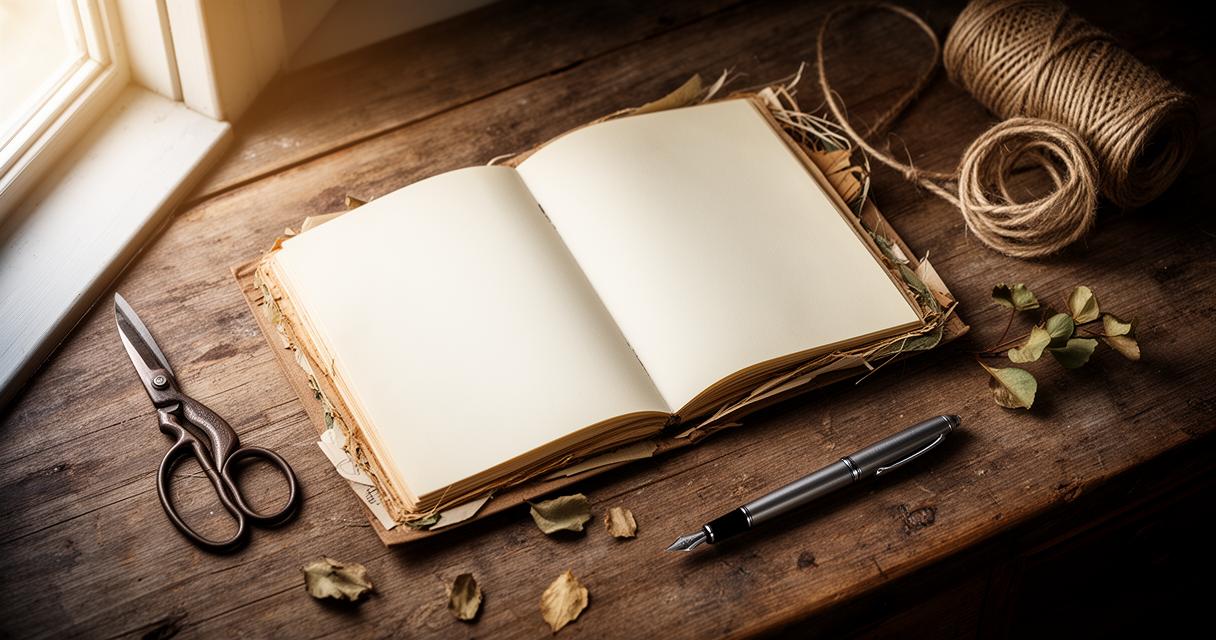
There is something quite magical about capturing your travels in a book made entirely by your own hands. A handmade travel journal becomes far more than a simple notebook; it grows into a treasured keepsake that holds your memories, your sketches and your reflections long after the suitcases have been unpacked. Whether you are planning a weekend away or a grand adventure across continents, learning to make your own travel journal gives you the chance to document your journey in a way that feels personal and meaningful.
Key points
- Creating a handmade travel journal transforms your trip documentation into a personalized, durable keepsake.
- Selecting high-quality paper and sturdy cover materials ensures the journal can withstand the rigors of travel.
- Budget-conscious crafters can save on supplies by utilizing warehouse sales, discounts for newsletter sign-ups, and repurposing existing materials.
- Combining diverse mediums like watercolors, sketches, photography, and written narratives creates a rich, multifaceted record of your experiences.
- Focusing on descriptive, sensory-based writing rather than simple itineraries improves memory retention and emotional wellbeing.
- Organizing your journal with thematic sections or layout plans helps maintain a coherent narrative throughout long-term adventures.
- Learning basic bookbinding techniques, such as the Coptic or pamphlet stitch, provides a professional finish and allows the journal to lie flat for easier use.
Selecting materials and crafting your journal cover
Before you can fill your pages with stories and sketches, you need a sturdy foundation to work from. The materials you choose will shape not only how your journal looks but also how it holds up to months of being tucked into rucksacks, dropped on train platforms and splashed with the odd bit of rain. Taking time over this stage means your finished journal will feel like a genuine reflection of your travelling style.
Choosing the Perfect Paper and Binding Supplies
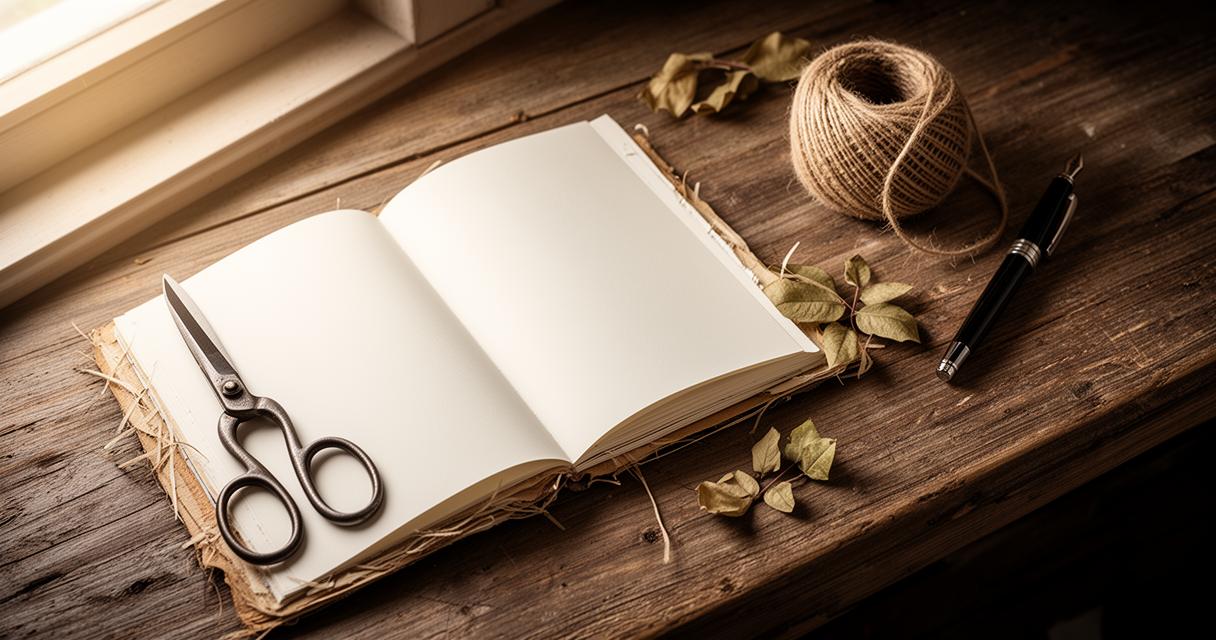
The heart of any travel journal lies in its paper. Thicker, textured sheets tend to work best if you plan on adding watercolour drawings or pressed flowers, while smoother paper suits those who prefer writing narratives or pasting in photographs. When it comes to gathering your writing supplies, many crafters find it worthwhile checking out a local warehouse sale, where you might spot a generous discount of up to seventy five percent off selected craft items. It is also worth keeping an eye out for compact desk pads priced around eleven pounds each, which can double up as sturdy backing boards for your journal covers. If you sign up for text updates, some retailers offer fifteen percent off simply for joining, and many throw in free delivery on orders over a certain amount, making it easier to stock up on binding thread, awls and bone folders without overspending.
Working with Leather and Alternative Cover Materials
Leather remains a favourite among journal makers for its durability and the way it ages beautifully with wear, developing a rich patina that tells its own story over time. If leather feels too costly or simply is not to your taste, there are plenty of alternatives worth considering, including recycled fabric, cork sheets or even sturdy cardboard wrapped in fabric offcuts. Some travellers repurpose old planner covers or interchangeable covers originally designed for LifePlanners, giving new life to stationery accessories that might otherwise be forgotten in a drawer. Whichever material you choose, the goal is to create something that feels like an extension of your personality and travel style.
Creative Formats and Artistic Expression in Your Travel Journal
Once your journal has a solid structure, the real fun begins. This is where you get to decide how you want to tell your story, whether through bold sketches, quiet written reflections or a mixture of both. There is no single correct approach, and part of the joy of creative journaling lies in discovering which format feels most natural to you.
Combining sketches, watercolours, and photography
Many travellers find that blending different mediums creates the richest record of their adventures. A quick watercolour of a sunset might sit alongside a printed photograph of a bustling market, while a pencil sketch captures the outline of a mountain range glimpsed from a train window. This approach echoes some of the different journaling styles that have grown popular in recent years, including guided journals, traditional written diaries, photographic journals, scrapbook style journals and even digital versions for those who prefer typing to handwriting. Combining these formats within a single handmade book allows for a wonderfully varied and personal record of your journey.
Writing compelling narratives of your journey
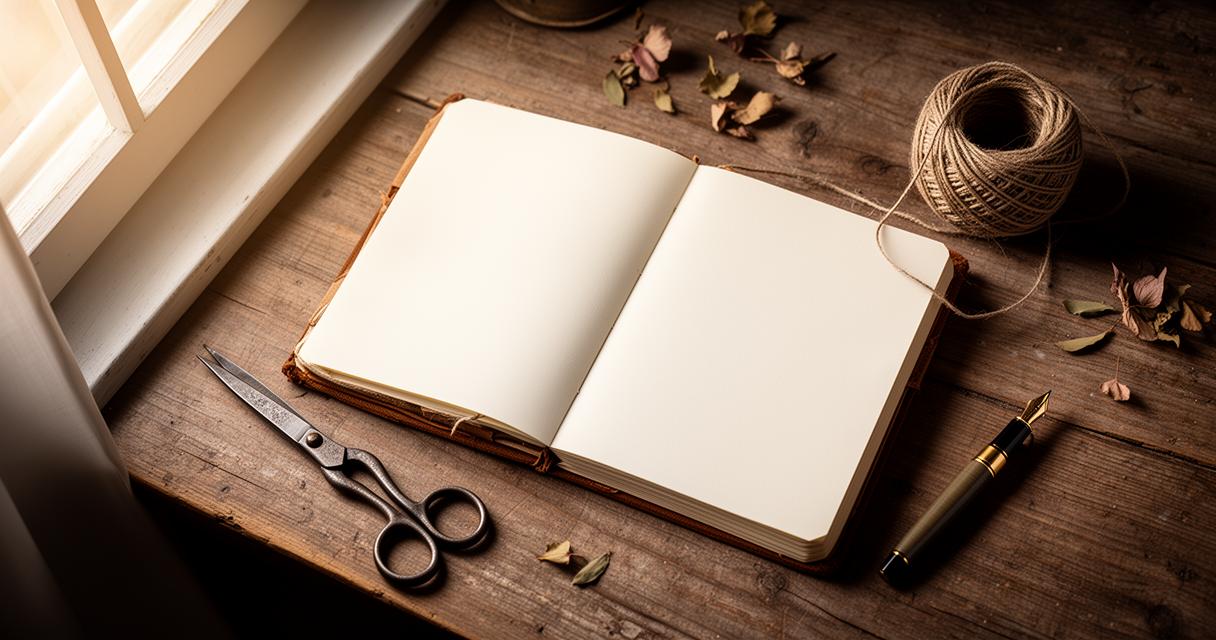
Beyond the visual elements, the written word remains central to a meaningful travel journal. Rather than simply listing where you went and what you ate, try to capture the small moments that made the day memorable, the conversation with a stranger on a bus or the smell of bread baking in a village market. Writing in this way supports emotional wellbeing and has been shown to aid memory retention, helping the details of your trip stay vivid long after you return home. Some travellers enjoy writing letters to their future selves, noting down hopes or reflections to read again months later, while others collect local phrases they have learned along the way, turning language into part of their personal travel story. These small creative exercises support both cultural exploration and personal development, transforming your journal into a tool for growth as much as a record of places visited.
Organising your travel journal for maximum impact
A beautifully decorated journal can still feel chaotic without some thought given to structure. Organising your pages thoughtfully ensures that when you look back, your journal reads as a coherent story rather than a jumble of disconnected entries.
Designing layouts that tell your story
Consider dedicating certain sections to particular themes, such as a page for packing lists, another for tracking your travel budgeting, and further pages purely for sketches or pressed mementoes. Some people like to include a simple pocket for tickets and receipts, while others prefer a monthly overview similar to academic planners, giving structure to longer trips. Thinking about layout in advance, perhaps sketching a rough plan before you begin filling pages, helps avoid that overwhelmed feeling partway through a journey when pages start filling up quickly.
DIY Binding Techniques with Thread and Needle
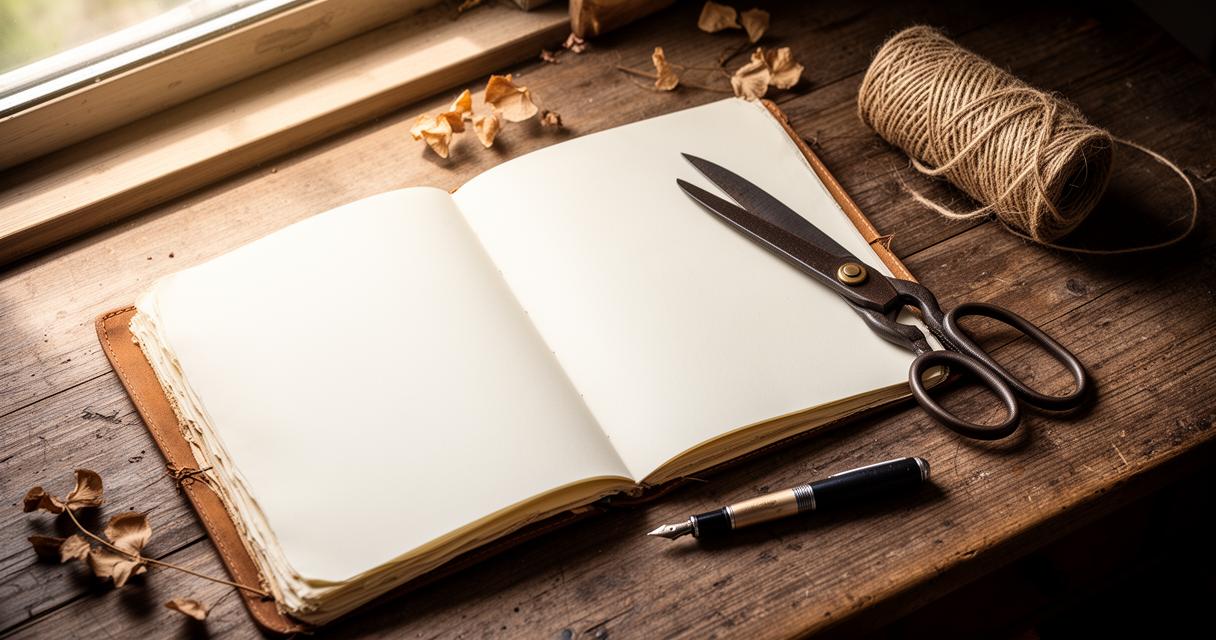
For those wanting a truly handmade finish, learning simple bookbinding stitches using thread and a needle can be deeply satisfying. Techniques such as the Coptic stitch or a simple pamphlet stitch require minimal tools yet produce a professional looking spine that allows your journal to lie flat when open, ideal for sketching or writing on the go. Many crafting shops offer these tools alongside other planner accessories like pens, markers and interchangeable covers, and subscribing to a newsletter subscription from your favourite stationery supplier can be a clever way to catch special offers on these items throughout the year.
Creating your own travel journal is ultimately about crafting something that reflects who you are and how you experience the world. With thoughtful materials, a blend of creative formats and a touch of self-reflection woven throughout, your finished journal becomes far more than paper and thread. It becomes a guide to your adventures, one you will treasure and return to for years to come.